
In recent years, sustainable materials have become an important focus in modern design industries. One such eco-friendly material gaining popularity is water hyacinth. The product design and development of hyacinth product is an innovative approach that transforms an invasive aquatic plant into useful, attractive, and environmentally friendly products.
Water hyacinth grows rapidly in lakes and rivers, often creating environmental challenges. However, designers and artisans have discovered ways to convert this plant into valuable raw material for creating furniture, home décor items, baskets, bags, and other lifestyle products. Through proper product design and development, water hyacinth can be turned into durable and aesthetically pleasing products that support sustainability and rural livelihoods.
Understanding Water Hyacinth as a Sustainable Material
Water hyacinth is a floating aquatic plant known for its fast growth and thick fibrous stems. Instead of letting it damage aquatic ecosystems, designers now use it as a natural fiber for eco-friendly product creation.
Some key characteristics of water hyacinth include:
➤ Naturally renewable and fast-growing plant material
➤ Lightweight yet strong fiber structure
➤ Flexible and suitable for weaving techniques
➤ Biodegradable and environmentally friendly
➤ Easily available in many tropical and subtropical regions
Because of these qualities, water hyacinth is widely used in sustainable product design and handicraft industries.
Importance of Product Design and Development of Hyacinth Product
The product design and development of hyacinth product plays an important role in converting raw natural materials into functional and marketable products. Proper design ensures that the final products are durable, attractive, and suitable for modern consumer needs.
Key benefits of designing hyacinth-based products include:
➤ Promotes sustainable and eco-friendly product manufacturing
➤ Helps control the spread of invasive water hyacinth plants
➤ Creates employment opportunities for rural artisans
➤ Encourages the use of natural and biodegradable materials
➤ Reduces dependence on plastic and synthetic products
As environmental awareness increases, hyacinth products are gaining popularity in global markets.
Process of Product Design and Development of Hyacinth Product
Developing products from water hyacinth involves several steps. Each stage ensures that the final product meets quality standards and customer expectations.
1. Raw Material Collection
The first step in the product design and development of hyacinth product is harvesting the plant from water bodies. The stems are the most useful part for crafting.
Important activities in this stage include:
➤ Collecting mature water hyacinth plants from lakes or rivers
➤ Removing roots and leaves from the plant
➤ Cleaning the stems to remove dirt and impurities
➤ Preparing the stems for drying and processing
Proper harvesting ensures that the raw material remains strong and usable.
2. Drying and Material Preparation
After harvesting, the hyacinth stems must be dried before they can be used for product development. Drying helps improve durability and prevents decay.
Material preparation steps include:
➤ Cutting stems into suitable lengths
➤ Sun-drying the stems for several days
➤ Twisting or braiding dried fibers into ropes
➤ Storing the processed fibers in dry conditions
This stage prepares the material for weaving and shaping into products.
3. Product Concept and Design
Design is a crucial stage in the product design and development of hyacinth product. Designers create concepts based on functionality, aesthetics, and market demand.
Design activities include:
➤ Sketching product ideas and design concepts
➤ Selecting product type such as baskets, bags, or furniture
➤ Planning size, shape, and structure of the product
➤ Combining hyacinth fiber with other materials like wood or metal
A well-planned design improves product usability and visual appeal.
4. Prototyping and Sample Development
Before producing products in large quantities, designers create prototypes or samples. This stage helps evaluate the product’s design and functionality.
Prototype development includes:
➤ Weaving the hyacinth fibers into the product shape
➤ Testing product strength and durability
➤ Adjusting dimensions and design details
➤ Improving the product structure based on feedback
Prototyping ensures that the final product meets design expectations.
5. Production and Crafting
Once the prototype is approved, the product moves to the production stage. Skilled artisans weave and craft the hyacinth fibers into finished products.
Production activities include:
➤ Hand weaving hyacinth fibers into product forms
➤ Attaching handles, frames, or support structures
➤ Adding linings or decorative elements
➤ Ensuring product consistency and quality
This stage requires craftsmanship and attention to detail.
6. Finishing and Quality Control
The final stage of the product design and development of hyacinth product is finishing and quality inspection.
Important finishing steps include:
➤ Trimming excess fibers and refining the product shape
➤ Applying protective coatings if required
➤ Inspecting product strength and durability
➤ Packaging products for distribution and sale
Proper finishing enhances the product’s appearance and longevity.
Popular Hyacinth-Based Products
Water hyacinth is widely used to create a variety of eco-friendly products for home and lifestyle use.
Common hyacinth products include:
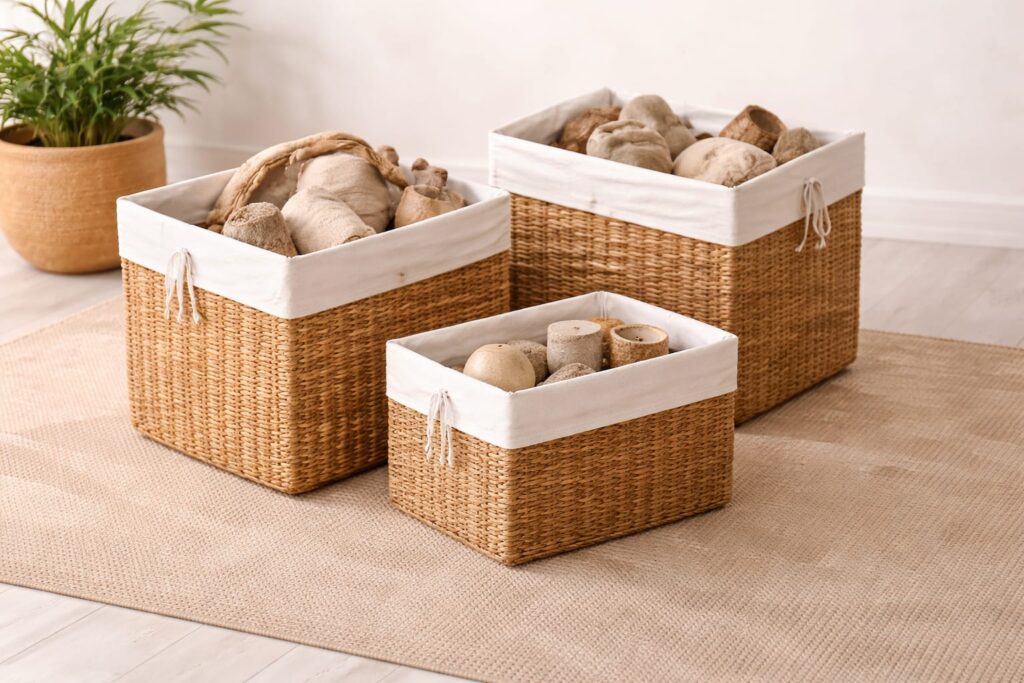
➤ Storage baskets and organizers
➤ Handbags and fashion accessories
➤ Chairs, sofas, and furniture items
➤ Floor mats and rugs
➤ Decorative home décor products
➤ Planters and storage containers
These products combine natural aesthetics with functionality, making them attractive to environmentally conscious consumers.
Challenges in Designing Hyacinth Products
Despite its benefits, the product design and development of hyacinth product can present certain challenges.
Some common challenges include:
➤ Maintaining consistent fiber quality
➤ Protecting products from moisture and humidity
➤ Ensuring durability for long-term use
➤ Balancing traditional craftsmanship with modern design trends
➤ Managing large-scale production while maintaining quality
Designers must carefully address these issues to create reliable and high-quality products.
Future of Hyacinth Product Design
The future of hyacinth product design looks promising as global demand for sustainable products continues to grow. Designers and manufacturers are exploring innovative ways to improve hyacinth-based products.
Emerging trends include:
➤ Combining hyacinth with modern materials and technologies
➤ Developing stylish eco-friendly furniture and décor items
➤ Expanding global markets for sustainable handicrafts
➤ Promoting circular and environmentally responsible design
With increasing awareness about sustainability, hyacinth products are expected to become an important part of the eco-friendly design industry.
Conclusion
The product design and development of hyacinth product represents a powerful example of how natural resources can be transformed into valuable and sustainable products. By converting an invasive aquatic plant into useful items, designers not only create beautiful products but also contribute to environmental protection and economic development.
Through thoughtful design, skilled craftsmanship, and sustainable practices, hyacinth products can play a significant role in the future of eco-friendly product design and global sustainable development.